Health and Safety Policy for Cleaner Richmond upon Thames
 This health and safety policy sets out the standards and responsibilities that support safe, consistent, and professional cleaning services in Richmond upon Thames. It applies to all cleaning tasks carried out in homes, workplaces, communal areas, and specialist environments where a cleaner may be working. The aim is to protect cleaners, clients, visitors, and anyone who may be affected by cleaning activities. A safe working approach is essential because cleaning often involves manual handling, exposure to cleaning agents, wet floors, electrical equipment, and time-sensitive tasks.
Our Cleaner Richmond upon Thames policy is based on the principle that safety must always come before speed. Every cleaner is expected to work carefully, identify hazards early, and take practical steps to reduce risk. This includes using suitable equipment, following safe methods of work, and reporting concerns promptly. By maintaining high standards, the cleaner Richmond upon Thames team can deliver reliable results while keeping risks as low as reasonably possible.
 All cleaning staff must understand that health and safety is part of daily work, not an extra task. Safe practice includes wearing appropriate protective clothing, keeping work areas tidy, and ensuring that products are handled responsibly. This policy also supports the use of common-sense precautions to prevent accidents and maintain a healthy working environment.
Core Responsibilities
Managers, supervisors, and cleaners each have specific duties under this policy. Managers must provide suitable equipment, relevant information, and adequate training. Supervisors should monitor work standards, check that risk controls are being followed, and respond to issues without delay. Cleaners must cooperate with instructions, use equipment correctly, and avoid unsafe behaviour. Everyone shares responsibility for helping create a workplace culture that values prevention, caution, and accountability.
The cleaner Richmond upon Thames service must ensure that each task is planned with safety in mind. Before work begins, staff should assess the area for hazards such as slippery surfaces, broken items, exposed wires, unstable furniture, poor lighting, or aggressive behaviour from occupants or members of the public. If a hazard cannot be controlled immediately, the task should be paused until it is safe to continue. This approach helps prevent avoidable incidents and supports professional service delivery.
At the centre of this policy is the requirement to act with reasonable care at all times. Cleaners should use warning signs when floors are wet, take care when moving objects, and avoid carrying loads that are too heavy or awkward. Where necessary, tasks should be split into smaller steps or completed with assistance. The goal is to reduce strain, prevent injury, and maintain efficient work without unnecessary risk.
Safe Working Practices
Cleaning products must always be used according to the instructions supplied by the manufacturer and internal procedures. Staff should never mix chemicals unless specifically trained and authorised to do so, as dangerous reactions may occur. Containers should be clearly labelled, securely closed after use, and stored safely away from food, children, and unauthorised persons. Any spill should be contained and cleaned quickly using the correct method.
 Personal protective equipment, or PPE, must be worn when the task requires it. This may include gloves, aprons, masks, or eye protection depending on the nature of the work. Cleaners Richmond upon Thames should check that PPE is in good condition and suitable for the job before starting. Damaged or unsuitable items should not be used. Proper PPE use helps reduce contact with irritants, contaminants, and other workplace hazards.
Manual handling is another important safety issue. Lifting, carrying, pushing, and pulling can all cause injury if done incorrectly. Cleaners should bend their knees, keep loads close to the body, and avoid sudden twisting movements. If an item is too large, heavy, or awkward, assistance or a mechanical aid should be used. Safe manual handling protects both short-term comfort and long-term health.
Training, Reporting, and Incident Response
Training is essential to effective health and safety management. All new cleaners should receive induction training that covers hazard awareness, safe equipment use, emergency procedures, and the correct handling of cleaning agents. Refresher training should be provided when processes change or when risk levels require additional support. Training should be practical, clear, and relevant to the type of cleaning work being carried out.
Any accident, near miss, unsafe condition, or equipment failure must be reported as soon as possible. Prompt reporting allows hazards to be corrected before they cause harm. Examples include slips, chemical splashes, broken tools, damaged cords, and unsafe access routes. The cleaner Richmond upon Thames team should record incidents accurately and review them to identify improvements. Learning from events helps strengthen prevention and improve future safety performance.
If an emergency occurs, staff should follow the agreed response procedures without delay. This may include stopping work, isolating hazards, alerting responsible persons, or seeking first aid where needed. Cleaners must know how to respond to fire alarms, chemical exposure, and other urgent situations relevant to their work. A calm and informed response can significantly reduce the impact of an emergency.
Health, Welfare, and Ongoing Improvement
 Health protection is a key part of this policy. Repeated exposure to dust, chemicals, damp environments, and physical strain can affect wellbeing over time. To support cleaner health, work should be planned with adequate breaks, reasonable workloads, and access to drinking water and welfare facilities where available. Staff should also be encouraged to report any symptoms or concerns that may be linked to cleaning work.
Work equipment must be inspected regularly and kept in safe condition. This includes vacuums, mops, buckets, extension tools, and any electrical items used during cleaning. Faulty equipment should be removed from service until it is repaired or replaced. Good maintenance reduces the risk of malfunction, injury, and service disruption. Cleaners should also store equipment carefully to prevent trips, falls, and damage.
Improvement is an ongoing responsibility. This policy should be reviewed regularly to make sure it remains effective, practical, and aligned with current working conditions. Feedback from internal checks, incident reports, and operational experience should be used to strengthen procedures. The cleaner Richmond upon Thames service should remain committed to safe, respectful, and well-organised cleaning practices.
Policy Commitment
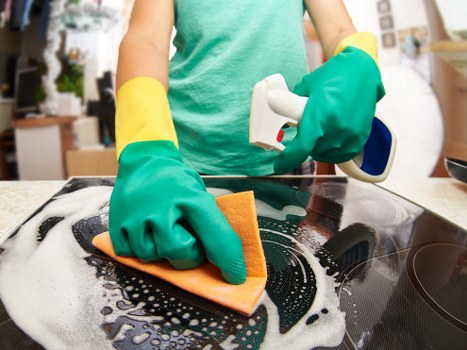 This policy confirms that cleaner Richmond upon Thames operations must be delivered with a strong focus on prevention, awareness, and professionalism. Safe working methods protect people, preserve equipment, and support dependable service quality. By following this policy, cleaners and supervisors contribute to a healthier environment and a safer standard of work for everyone involved.